
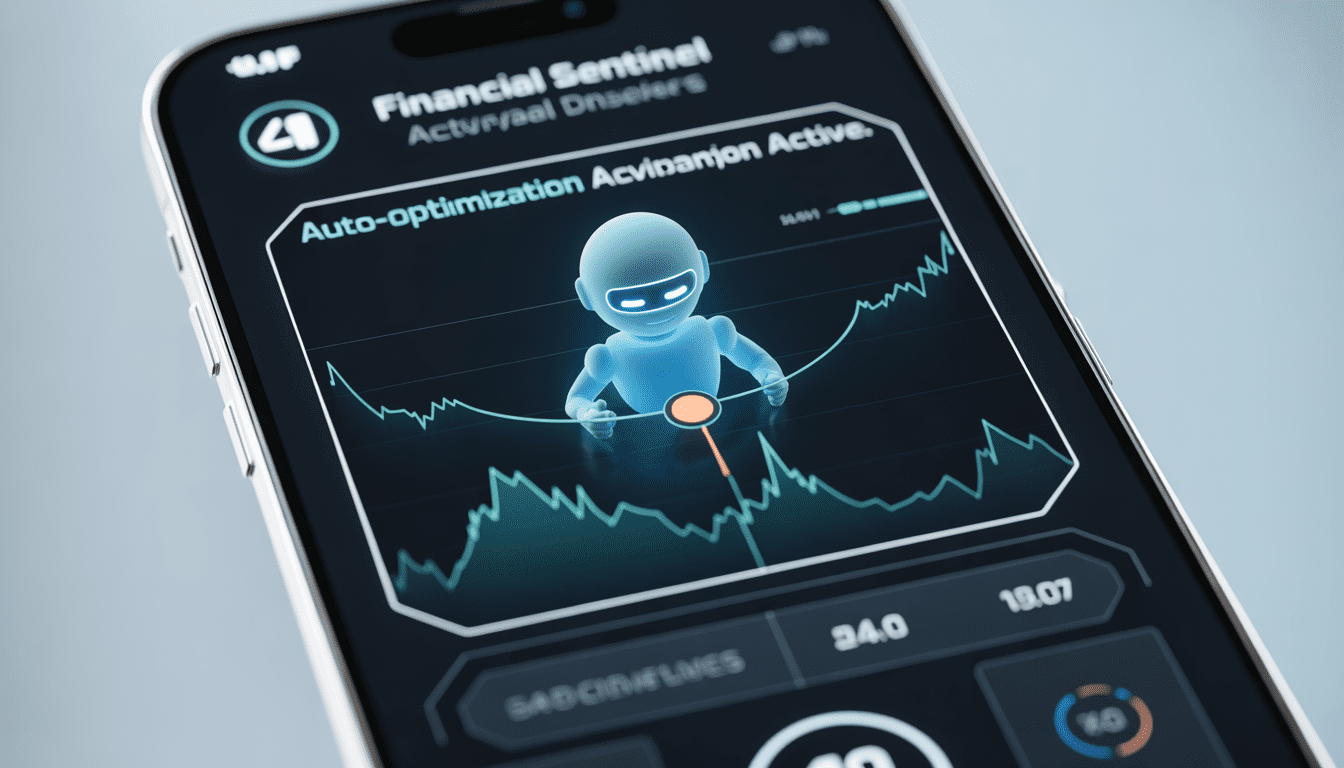
Passive Saving Apps for Beginners: How to Automate Your Finances in 2026
Master automated savings in 2026. Discover the best AI financial apps, learn the 70/20/10 rule, and explore how to build an invisible ‘Money Machine’ to grow your wealth safely and effortlessly.
Introduction: Why Your Brain is Your Biggest Financial Enemy
Let’s be honest: humans were not designed to save money. Our brains are hardwired for instant gratification, a relic of an era when eating a found honeycomb was a survival necessity. In January 2026, trying to fight this biological urge with just willpower is like trying to stop a flood with a teaspoon. This is where the concept of Autonomous Finance comes in. For beginners, especially expats navigating life in Europe with a dollar-based mindset, the secret to wealth isn’t a higher salary—it’s a better machine.
We’ve moved past the days of “digital envelopes.” We are now in the age of invisible, background systems that treat your savings like a tax you actually want to pay. By the time you finish this guide, you won’t just know which app to download; you’ll understand how to build a self-regulating financial ecosystem that protects you from inflation, currency shifts, and your own impulse to buy things you don’t need.
I. 5 Reasons Automation is No Longer Optional in 2026
If you’re still moving money manually at the end of the month, you’re already losing. Here are five structural shifts that have made automation the “survival gear” of modern finance:
- Inflation-Aware Vaults: In 2026, a standard savings account is a slow-motion fire for your cash. Automation ensures your money “hops” to the highest yield the second it’s available.
- The Death of the “Payday Panic”: Automation removes the psychological pain of seeing $500 leave your account. If you don’t see it, you don’t miss it.
- Currency Hedging for Expats: Living in Berlin but earning in Dollars? Automation handles the “exchange rate anxiety” by buying Euros only when the rate is in your favor, keeping your core wealth in USD.
- Open Finance (PSD3) Maturity: Your apps can now see your rent, your Netflix sub, and your grocery bill as one unified stream, making “sweeping” decisions far more accurate than any human could.
- Behavioral Guardrails: Modern systems act as a “financial babysitter,” preventing you from dipping into your emergency fund for a weekend trip to Ibiza by adding “friction” to withdrawals.

II. The Four Levels of Your New Money Machine
Before you pick an app, you need to understand the “logic” you’re installing. Think of these as levels of a video game:
- The Basic Recurring Transfer: This is Level 1. It’s the old-school “Standing Order.” You tell your bank to move $200 to a savings pot on the 1st of every month. It’s simple, but it doesn’t adjust if you have a medical emergency or a sudden car repair.
- The Transactional Round-up: Level 2. Every time you tap your card for a $4.40 coffee, the app rounds it to $5.00 and tucks that $0.60 away. It’s the “loose change” jar of the digital age, perfect for beginners who think they “can’t afford” to save.
- The Smart AI Sweeper: Level 3. This is the most popular type in 2026. The app monitors your checking account for a week. If it sees you have $150 you aren’t using, it “sweeps” it into a vault. It’s intelligent enough to know when your electricity bill is due.
- The Cognitive Wealth Agent: Level 4. This is the most advanced type of automation. It doesn’t just save; it looks at your debt interest vs. your savings yield and decides the most mathematically perfect place for your next dollar.
III. The 2026 Leaderboard: Which App Actually Delivers?
Choosing an app is a matter of trust. You need to know which money app is safest and which one will actually grow your balance without hidden fees.
| Platform Name | Best Known For | Key 2026 Feature | Security Tier | Estimated Yield (%) |
| Plum | Hands-off Growth | Predictive AI “Sweeping” | FCA/EBA Regulated | 4.40% – 5.35% |
| Acorns | Micro-Investing | 10x Round-up Multipliers | SIPC Protected | Market-Linked |
| Revolut | Multi-Currency | Automated “Pockets” | Full Bank License | 3.75% – 4.80% |
| Trade Republic | High Interest | 4% Flat on Cash | €100k Guarantee | 4.00% (Steady) |
| Rocket Money | Cost Cutting | Auto-Sub Cancellation | AES-256 Encrypted | Indirect Yield |
IV. Deep Dive: Why the 70/20/10 Rule Wins Over the 50/30/20
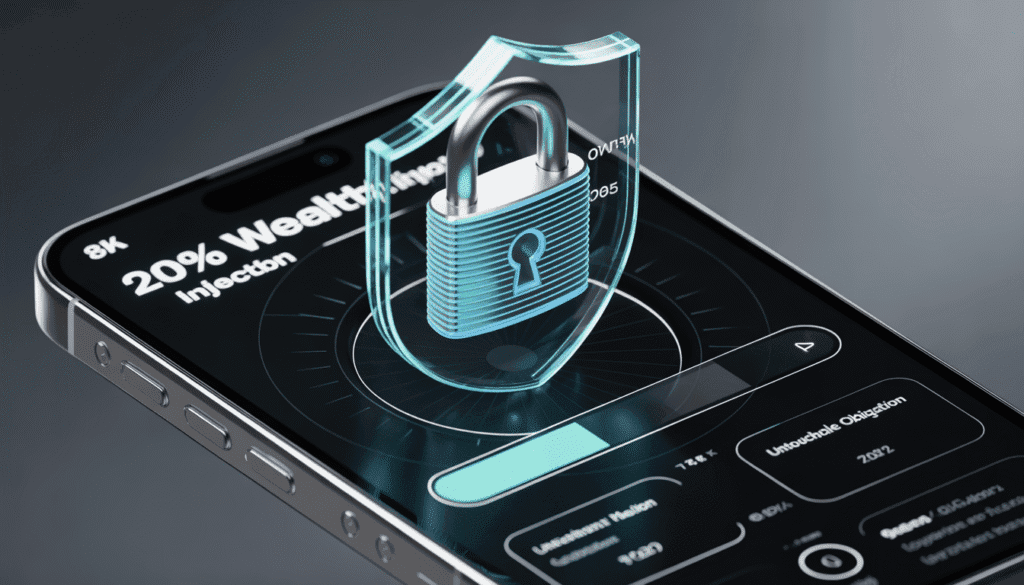
For years, people preached the 50/30/20 rule (50% needs, 30% wants, 20% savings). But in 2026, with the cost of living in cities like Paris, London, or Amsterdam, that 50% for “needs” is a fantasy for most beginners. This is why the 70/20/10 rule has become the new benchmark. You allocate 70% to your life (rent, food, transit), 20% to your future (savings and investments), and 10% to “fun” or debt.
The trick is that you don’t calculate this yourself. You tell your app to “bucket” your income the moment it hits. If you’re wondering how to start saving money for beginners with little to no extra cash, this structure is your lifeline. It forces you to live on the 70% and treats the 20% as an untouchable obligation. This is how you build that legendary 3 6 9 rule of money (3 months of emergency cash, 6 for stability, 9 for freedom) without ever feeling like you’re starving your social life.
V. 4 Steps to Set Up Your Automated Fortress
Don’t try to build Rome in a day. Follow this clinical, step-by-step process to ensure your automation actually sticks:
- The Leak Audit: Download an app like PocketGuard. Link your primary accounts. You’ll likely find $40–$60 a month in “ghost” subscriptions—old gym memberships, streaming services you don’t watch, or premium apps you forgot about.
- The “Sweeper” Installation: Pick a tool like Plum or Chip. Set the AI to its “Standard” or “Ambitious” mood. Let it analyze your spending for 7 days before it makes its first move.
- The Debt Kill-Switch: If you have a credit card balance, use the 10% portion of the 70/20/10 rule to automate extra payments. Debt is just “anti-savings,” and killing it is the fastest way to “save” money on interest.
- The Floor Setting: This is the most important step. In your app settings, define a Minimum Floor (e.g., $400). If your bank account drops below this, the app must stop all saving. This prevents the “over-automation” trap where an app accidentally triggers a bank fee.
VI. The “Invisible” Risks You Need to Watch Out For
Is it better to save or invest? In 2026, the answer is both, but you have to be smart. Automation is a tool, not a miracle. Watch out for these three “Shadow” risks that can derail a beginner:
- Algorithmic Aggression: Sometimes AI gets “excited” and saves too much right before a big bill. Always check your “upcoming bills” tab in the app to make sure it’s in sync with reality.
- The False Sense of Security: Just because it’s automated doesn’t mean you should stop looking at your finances. Conduct a “Monthly Pulse Check” to see if your APY (interest rate) has dropped. Banks love to lower rates once you’ve been a customer for a while.
- The License Trap: Only use apps that are FCA, EBA, or SIPC insured. If an app doesn’t have a clear “Deposit Guarantee” section on its website, it’s not a vault—it’s a gamble.
- The Subscription Irony: Some “saving apps” charge $10 a month for “premium features.” If you are only saving $50 a month, that app is taking a 20% cut of your hard work. Always weigh the cost against the benefit.
VII. Choosing Your Framework: Which Automation Logic Fits You?
Your financial life is unique. A freelancer in Lisbon needs a different machine than a software engineer in Zurich.
| Situation | Best Strategy | Complexity | Why it works |
| Low Income / High Debt | 70/20/10 Rule | Medium | Prioritizes essentials while slowly killing debt. |
| High Income / No Time | Autonomous Wealth Agent | High | Moves money based on taxes and market yields. |
| The “Spender” Personality | Daily Round-ups | Very Low | You “trick” yourself into saving while spending. |
| The Stability Seeker | 3 6 9 Rule | High | Builds a massive cash buffer for total peace of mind. |
VIII. Final Analysis: The Convergence of Cash and Code
We are witnessing the final death of the “Bank” as a destination. In 2026, banking is no longer a building you go to; it is a “layer” of intelligence that lives on your lock screen. The old debate of “save vs. invest” is being solved by Hybrid Vaults—accounts that keep your money liquid enough to spend tomorrow, but invested enough to beat inflation today.

The future of financial automation is “contextual.” Your phone will soon know that you’re at a car dealership and remind you that you’ve already saved 85% of your goal. By starting with a simple automated app now, you are training your “financial machine” for a future where money management is entirely hands-free. You are moving from the stress of “making ends meet” to the calm of “automated abundance.” The technology is here, the yields are high, and the security is bank-grade. The only thing left to do is flip the switch.
Conclusion: Your Machine is Ready
Financial freedom in 2026 isn’t a reward for being a math genius; it’s a reward for being organized. By automating your savings, you are essentially “hiring” a world-class accountant to work for you 24/7 for the price of a cup of coffee. Whether you start with $0.20 round-ups or a $200 monthly sweep, the key is to stop over-thinking and start the machine. Your future self is waiting—and they’re hoping you turn on the automation today.
Disclaimer: This content is for educational and informational purposes only and does not constitute financial, legal, or religious advice. Financial data and market conditions are subject to change, and we disclaim any responsibility before God for decisions made based on this analysis. It is your personal responsibility to ensure that your earnings and investments align with Sharia principles by consulting specialists or using verification tools where applicable. We are not responsible for any financial losses; seeking permissible sustenance remains your individual accountability.
Automating wealth in 2026 goes beyond just apps. These authoritative reports bridge the gap between beginner saving tools and the professional data shaping the future of autonomous finance.
1.Strategic System: Automate Your Finances Using Technology and Psychology (I Will Teach You To Be Rich)
2.Top Rated Tools: Best 10 Money-Saving Apps for Tight Budgets in 2026 (Pine AI)
